What to See in Uzbekistan in 7 Days: Bukhara, Gijduvan, Samarkand, Tashkent and the Mountains
A week is when Uzbekistan stops being a box to tick and becomes a journey. We share the route we run ourselves: with the potters of Gijduvan, a paper mill and a day in the mountains.
In this article
Five days in Uzbekistan means Bukhara, Samarkand and Tashkent at a run. Seven days means the same three cities, but with the stops people usually come back for: the pottery workshop in Gijduvan, the paper mill outside Samarkand, an evening at Lyab-i Hauz without thinking about tomorrow's train. We run this route as a private tour and over several seasons have tried nearly everything in it. Below is the version that stuck.
We've already covered the short five-day version in a separate article; that's also where you'll find the details on trains, tickets and money. Here we'll repeat only the essentials and focus on what the extra two days add. Prices and rules were checked in October 2026 and are good for planning a 2027 trip.
Route Overview
Bukhara (2 nights) → Gijduvan → Samarkand (2 nights) → Tashkent (3 nights, one of them in the mountains). Seven days and seven nights, with the flight home on the morning of day eight from Tashkent. Transfers between cities are by car with stops along the way; on this route the Afrosiyob train is only needed for the Samarkand — Tashkent leg, if you fancy a ride.
The logic is the same as in the short version: fly into Bukhara (direct flights from Moscow with Utair, Uzbekistan Airways, Aeroflot and Qanot Sharq, about 3 hours 50 minutes) and fly out of Tashkent, which has the most flights. If the reverse is more convenient, the route flips with nothing lost.
Days 1–2. Bukhara, Unhurried
Two full days in Bukhara, and rightly so: it's less about “sights” here and more about atmosphere, and that takes time.
The first day — on foot through the center. From Lyab-i Hauz with its century-old mulberry trees, then through the three trading domes to Po-i-Kalyan: a minaret from 1127 that Genghis Khan ordered spared, a mosque for ten thousand worshippers and the working Mir-i-Arab Madrasa opposite. On the way, look into the Jewish quarter — the narrow streets behind Lyab-i Hauz where a small community of Bukharan Jews still lives — and into the workshops under the domes: blacksmiths, metal chasers and gold embroiderers work right in front of you. In the evening — dinner in the courtyard of an old madrasa; several in Bukhara have been turned into restaurants, and it's that rare case when a “touristy” place is genuinely good.
The second day — the things people usually don't have time for. Samanid Mausoleum from the 10th century, the oldest building on the route: four identical facades of patterned brick whose pattern shifts as the sun moves. Nearby — Chashma-Ayub, “Job's Spring”, with a conical roof unusual for Bukhara, and the morning Kolkhoz Bazaar. Then the Bolo-Hauz Mosque with carved wooden columns reflected in the pond, and the Ark Fortress across the road — the residence of the emirs, from which the city was ruled until 1920. After lunch — a trip out of town, to Sitorai Mokhi-Khosa, the summer palace of the last emir: oriental interiors, early-20th-century Russian architecture and peacocks in the garden. Entry to the Ark is around 60,000 sums, to the Kalyan Mosque courtyard 20–30,000; there's no official 2026 price list, so check on site. The minaret is currently closed to climbing.

Day 3. The Road to Samarkand via Gijduvan
Between Bukhara and Samarkand it's 270 kilometers and 3–3.5 hours on the highway, but by car this day turns into an excursion. The first stop — the sardoba at Rabat-i-Malik: a domed water reservoir that once watered caravans on the Great Silk Road. It's cool inside even in the heat, and it's the best illustration of how the road you're traveling actually worked.
The second stop — Gijduvan, the city of potters. In the Narzullaev family workshop, ceramics have been made for six generations, and their plates with birds and pomegranates on yellow-green glaze sit in European museums. They show the whole cycle here — from clay to kiln — feed you lunch and, of course, sell their work, but without pushiness. After lunch — another hour and a half to Samarkand, check-in and a free evening.
By train this leg takes an hour and a half (Afrosiyob, around 165,000 sums in economy), but then Gijduvan and the sardoba drop out. In our view, that's not the saving to make.
Day 4. Samarkand: From the Registan to the Synagogue
Samarkand in a single day is a classic, and we arrange it so that you're on the Registan by sunset.
In the morning — Gur-e Amir, Tamerlane's tomb with its jade headstone and ribbed dome, later echoed in the Taj Mahal. Next — Registan by day, so you can go inside all three madrasas (tickets for foreigners 100,000 sums, under 18 — 50,000; in season, until November 20, the square is open until midnight). In Tilla-Kari — a mihrab with a flat dome painted to look three-dimensional; in Sher-Dor — those famous tigers with suns on their backs, defying the ban on depicting living creatures.
After lunch — something you won't find in standard programs: the Jewish mahalla behind the Registan, with the Gumbaz synagogue from the late 19th century, which is still active, and a crafts center nearby where you can see Samarkand suzani embroidery and miniature painting. Then Shah-i-Zinda (around 80,000 sums) — a street of 14th–15th-century mausoleums where you need to walk slowly and look up, and Siab Bazaar next to Bibi-Khanym, for the non bread baked only in Samarkand.
In the evening, return to the Registan. The lights come on after sunset, and the square looks different than by day; the viewing platform in front of the entrance is free.
Day 5. Silk, Paper and the Transfer to Tashkent
The morning is spent on the outskirts of Samarkand. First a silk carpet factory, where a carpet is woven by hand over several months and the dyes are boiled from madder root, walnut and pomegranate. Then — Konigil, a paper mill on the Siab river where the production of Samarkand silk paper has been revived using 8th-century technology: mulberry bark is soaked, pounded with water-driven hammers and cast into sheets like those once written on in Baghdad and Córdoba. Lunch is here too — in the garden, by the water.
After lunch — the road to Tashkent: 310 kilometers, four to five hours by car, or two hours on the Afrosiyob (311,000 sums in economy since February 2026; tickets go on sale 60 days ahead, and Russian cards don't work on railway.uz). You're in the capital by dinner.
Day 6. Tashkent
After Bukhara and Samarkand, Tashkent feels like a different country: wide avenues, Soviet modernism, lots of greenery. Start with Chorsu — the bazaar under a turquoise dome where one lap tells you what the country eats: dried apricots, almonds, kazy, Samarkand and Tashkent non bread sold separately. From here it's a walk to the complex of Hazrati Imam with the Uthman Quran — by tradition, the very one the third caliph was reading when he was killed; scholars date the manuscript to the 8th–9th centuries. Next door, March 2026 saw the opening of the Center of Islamic Civilization — a huge museum worth setting aside at least two hours for.
By day — the Museum of Applied Arts in the former mansion of diplomat Polovtsev, Amir Temur Square, Independence Square and the “Courage” monument at the epicenter of the 1966 earthquake. Between stops — the metro: the Kosmonavtlar, Alisher Navoi and Pakhtakor stations were built as underground palaces, and photography has been allowed since 2018. From October 1, 2026 a ride costs 2,500 sums by card or phone, 3,000 in cash.
Day 7. The Mountains: Amirsoy and Charvak
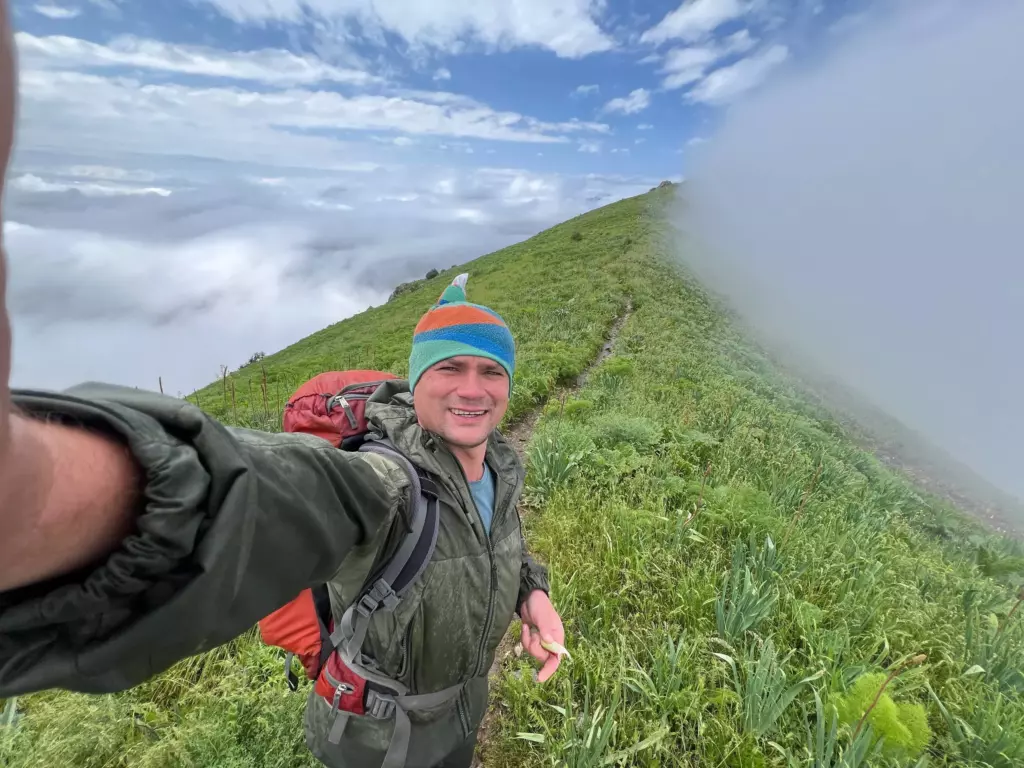
The last full day is a trip out of the city. Amirsoy is about an hour and a half from Tashkent. It's a ski resort, but the cable cars run in the warm season too (both gondolas from 9 to 19; check the fall schedule and prices at amirsoy.com, as the official rates aren't published on the site). At the top — the Chatkal ridges and air you've forgotten about after three cities. Head back via the viewpoints above the Charvak Reservoir: the water stays turquoise until November, mountains all around, roadside cafés serving shashlik and trout. By evening you're in Tashkent; on the morning of day eight — your flight home.

If mountains aren't your thing, this day is easy to swap: Chimgan and the trail to the waterfall if you want to stretch your legs, or just a free day in Tashkent with a hammam and the bazaar.
What to Pack and What to Know
The short version; the details are in the five-day article.
- Documents. Russian citizens don't need a visa; entry is with a passport, and children need their own. The hotel handles registration itself.
- Tourist tax. Foreigners only, per night: 61,800 sums (around $5) in large hotels, less in guesthouses. For seven nights — up to $35.
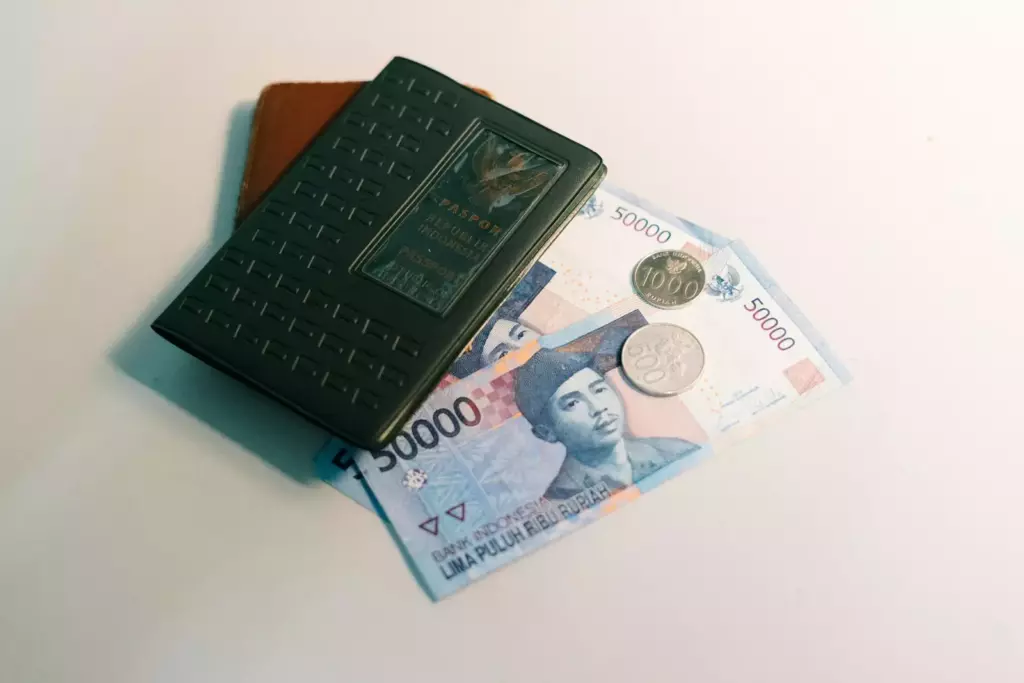
- Money. The Central Bank rate on October 11, 2026 is 11,898 sums to the dollar, 140 to the ruble. Mir cards and Russian Visa/Mastercard don't work; bring cash dollars.
- Connectivity. SIM cards are sold with a passport, $2–5 per package; no IMEI registration is needed for a week.
- Season. April–May and September–October: +22…+28 by day, cool at night. In summer Bukhara hits +40, but the mountains are at their best. More — “When Is the Best Time to Visit Uzbekistan”.
- Clothing. Covered shoulders and knees for mosques, comfortable shoes: you'll walk 12–15 kilometers a day.
Budget for an Independent Trip
Independently: a guesthouse in the old city — $30–60 per night, a boutique hotel — $60–100; entry tickets for the week — about $40, tourist tax — up to $35, food at chaikhanas — $10–15 a day. A car with driver for the Bukhara — Samarkand — Tashkent transfers with stops is a separate line item, and it's the one that most often breaks the budget of an independent trip.
With us a 7-day tour of Uzbekistan along this route costs from $970 per person: hotels with breakfast, transport along the entire route with a driver, a guide in every city, entry tickets per the program and a day in the mountains. The price depends on the size of your party — the more of you, the cheaper per person; single room supplement $210. Flights to Uzbekistan are not included.
Need it shorter — five days without Gijduvan or the mountains. Want Khiva instead of the mountains — the classic 8-day tour through all four Silk Road cities. And if you'd like to see not just cities but nature in one trip — the Kyzylkum Desert, yurts and mountains — take a look at the 10-day Uzbekistan tour: it starts in Khiva and ends in the mountains outside Tashkent.