Altitude sickness: how to prepare for high altitude
Why your head aches at altitude, who should be more careful and how to gain altitude the right way. Simple acclimatization rules for the Pamirs and Tian Shan.
In this article
The Pamirs and Tian Shan lure you with views you'll never see on the plains. But at altitude the body works differently, and it's worth knowing about that in advance. The good news: altitude sickness can almost always be prevented if you don't rush.
Why it happens
The higher you go, the lower the air pressure, and each breath brings less oxygen into your lungs. Your body needs time to adjust: breathing faster and producing more red blood cells. While it adapts, altitude sickness can set in.
The first signs usually appear above 2,500 meters:
- headache;
- weakness and fatigue;
- nausea and poor appetite;
- poor sleep.
It has nothing to do with fitness: a marathon runner may feel the altitude sooner than an out-of-shape tourist.
Key acclimatization rules
- Don't rush. Above 3,000 meters, raise your sleeping altitude by no more than 300–500 meters per day.
- "Climb high, sleep low." Go higher during the day and descend to sleep lower — this way your body adapts faster.
- Schedule rest days. For every 3–4 days of ascent, take a day without gaining altitude.
- Drink plenty of water. The air in the mountains is dry, so you need 3–4 liters a day.
- Avoid alcohol during your first days at altitude: it increases dehydration and disrupts sleep.
The most important rule: if symptoms get worse instead of better, descend. Even dropping 300–500 meters often brings quick relief.
How to prepare at home
A couple of months before your trip, add some cardio: running, cycling, swimming, stair climbing. A strong heart and lungs handle the strain of altitude more easily. Be sure to consult your doctor before the trip — especially if you have chronic conditions. Medications to prevent altitude sickness should only be taken as prescribed by a doctor.
How we design our routes
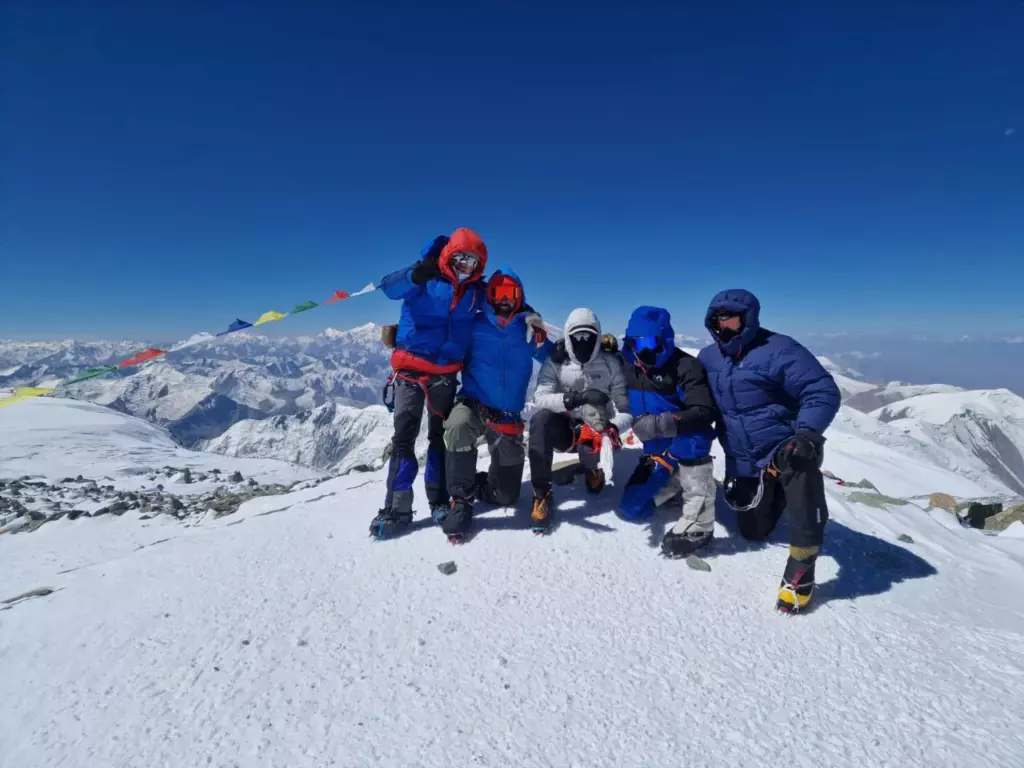
In our high-altitude tours, acclimatization is built into the program: we gain altitude gradually, there are rest days, and the guides monitor how each participant is feeling. For example, on the Lenin Peak climb, more than half of the expedition's time is devoted to acclimatization.
If this is your first time in the high mountains, start with routes up to 3,000–3,500 meters — for example, a hike to the Fann Lakes: the scenery there is alpine, but the altitude is gentle.