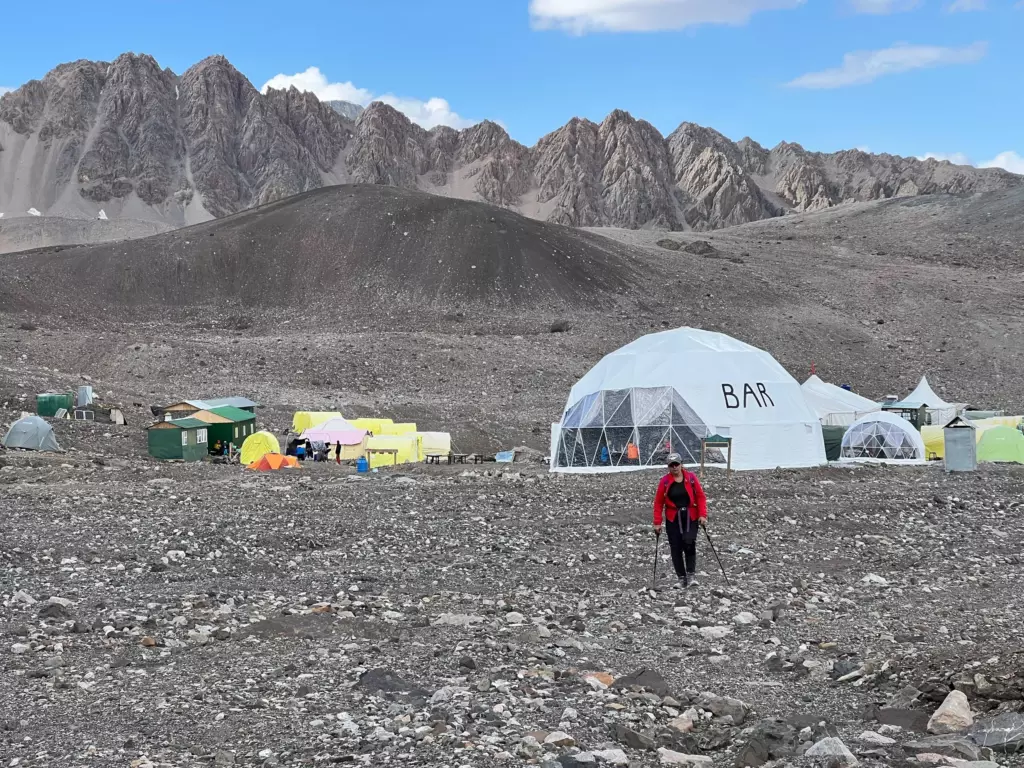
«Mining Academy» — This is a 10-day children's mountain program for teenagers aged 11–16, held in the high-mountain region of the Pamir Mountains at the Pamir International Mountaineering Camp. The program combines hiking, gradual acclimatization, camping in tents and yurts, and an introduction to mountain safety fundamentals.
The program is aimed at active teenagers, Those who want to gain their first systematic experience in the mountains, learn to work in a team, be independent, and take responsibility for nature and their own well-being. No mountaineering experience is required; all activities are adapted to the participants' ages and high-altitude conditions.
General information about the program
The Mountain Academy program is designed for teenagers aged 11–16 and takes the form of an organized group trip with a set daily itinerary. All travel, accommodations, and activities are pre-planned and accompanied by instructors.
The primary focus is on adaptation to the mountains and gradual immersion into the high-altitude environment. Participants live in a base camp, undertake radial hikes and treks between camps, master basic hiking skills, and learn to navigate the natural environment.
The program is not a sporting or competitive event and does not require prior mountaineering experience. All activities and challenges are tailored to the children's age, physical fitness, and specific needs for their mountain experience.
Tour itinerary
Arriving in Osh and getting to know the region
Participants arrive in Osh, check into a hotel, and settle in after the trip. Excursion to Mount Sulaiman-Too, including a visit to the museum and an introduction to the region's natural and cultural context.
Transfer to the International Mountaineering Camp "Pamir"«
Transfer from Osh to the Pamir Small Mountain Camp via the Alay Valley. Upon arrival, check-in, tour the camp, receive an introductory briefing, and a program overview. In the evening, a basic mountain photography class.
Acclimatization and a walk to the lakes
An easy acclimatization hike without a sharp climb. Upon returning, there's rest, a medical checkup, a talk about mountain safety and navigation, and an evening team game.
Hike to the shoulder of Petrovsky Peak
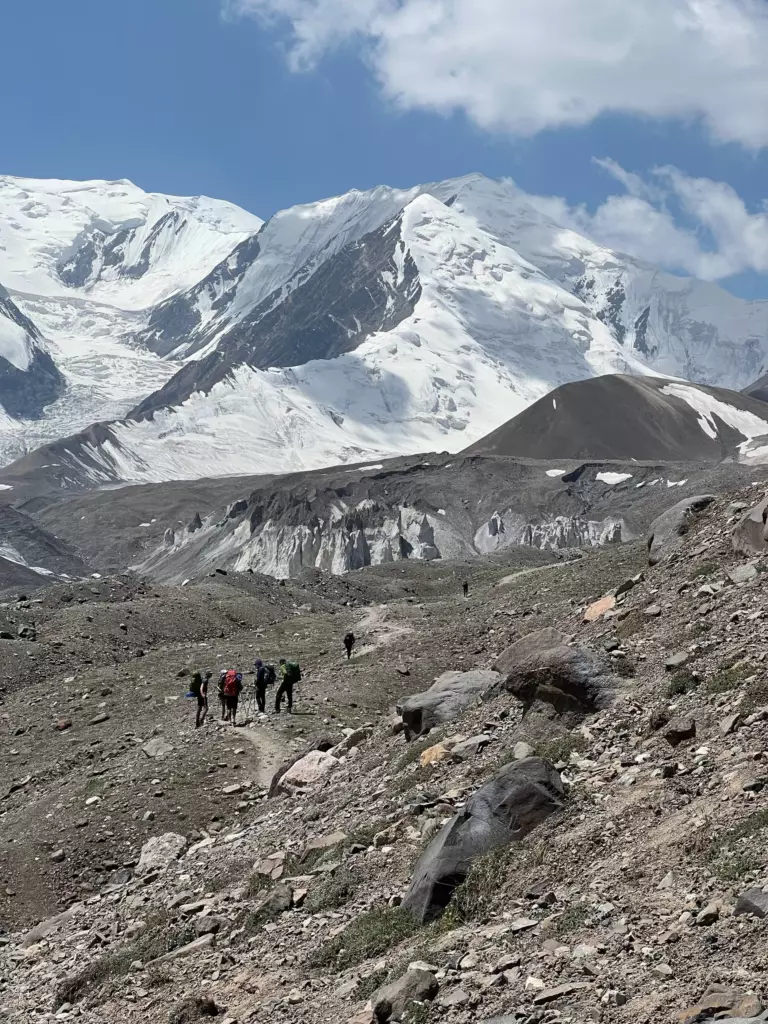
A radial hike with a gradual elevation gain and panoramic views of the Alai Valley. After lunch, practical exercises include pitching tents, setting up a bivouac, and exploring basic hiking trails.
Waterfall, rock climbing and yurt life
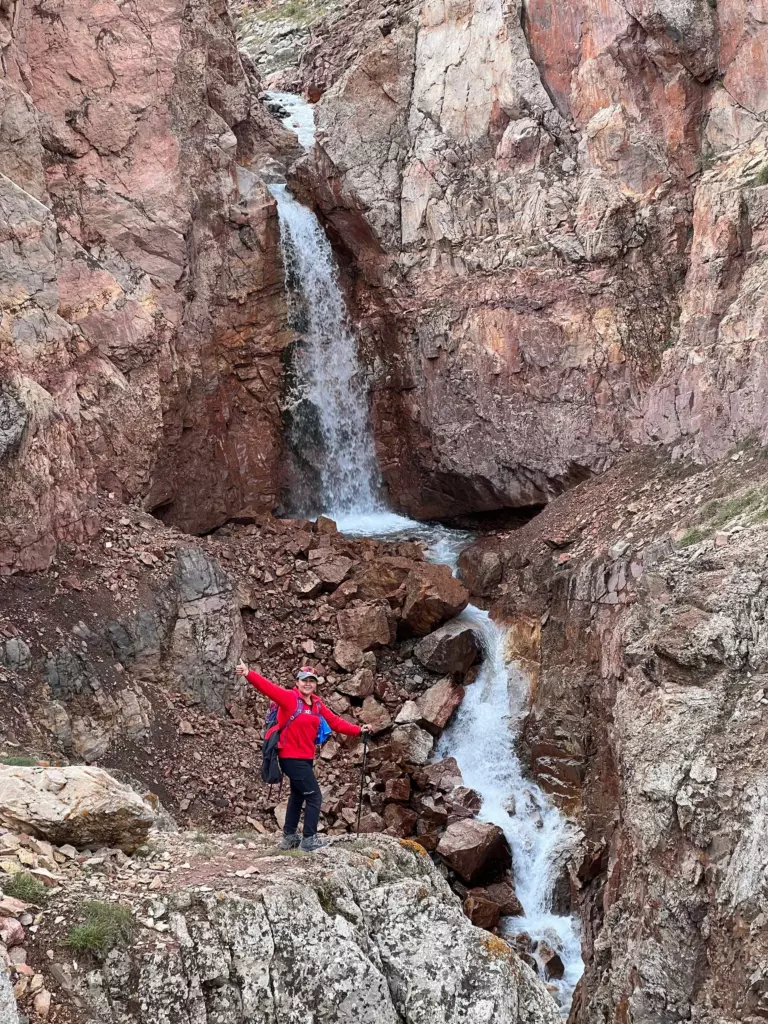
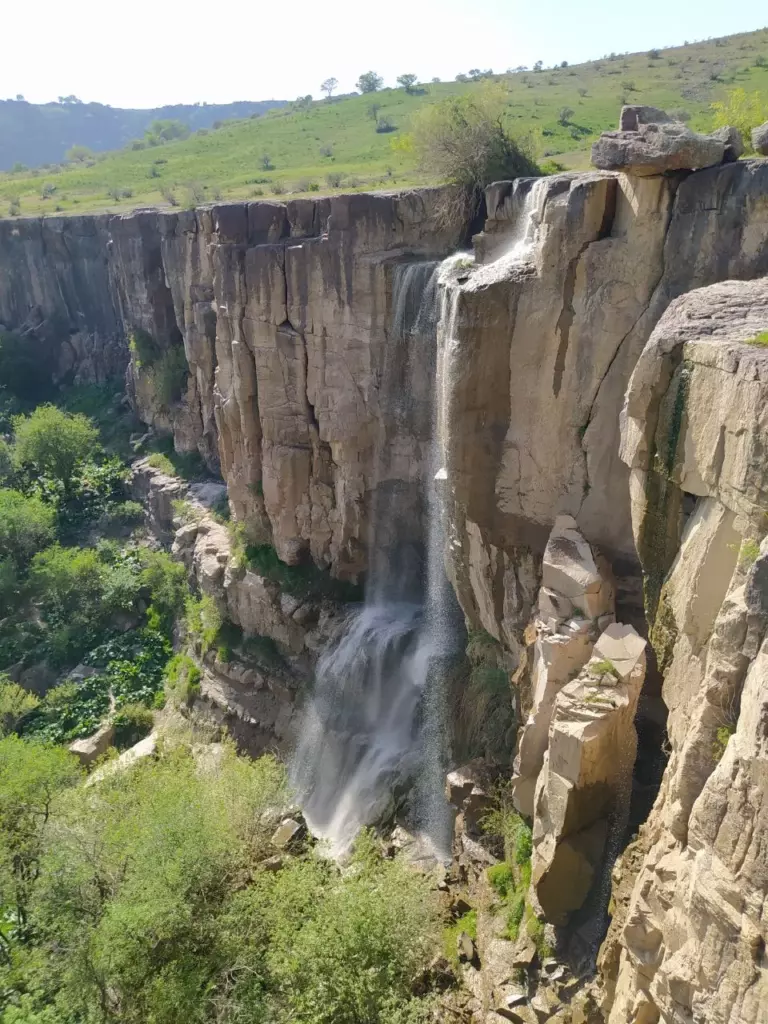
A hike to the waterfall through Lukovaya Polyana and rock climbing on natural terrain. In the afternoon, we'll learn about nomadic life, prepare dinner, and spend the night in a yurt.
Transition to the intermediate camp
A hike through alpine meadows via the Puteshestvennikov Pass. Setting up camp, assigning responsibilities, and organizing your own daily routine.
Transition to Camp No. 1
Transfer to Camp 1, accommodation in already pitched tents. Rest, recovery, and familiarization with high-altitude camp conditions.
High altitude walking and climbing
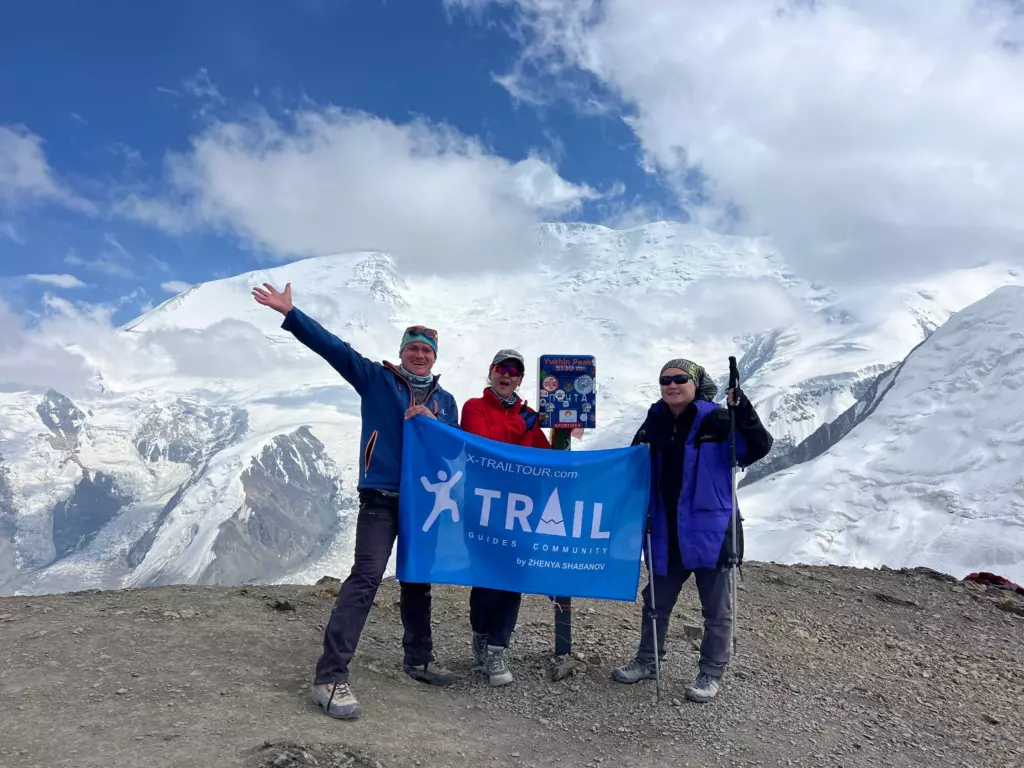
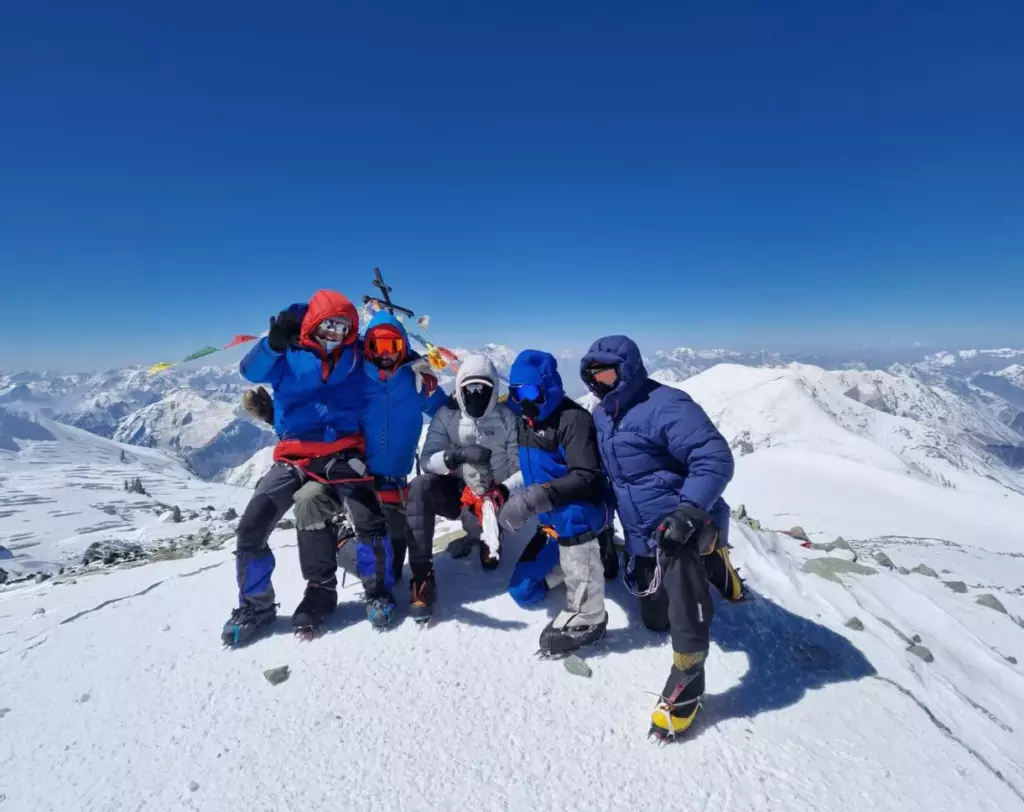
A high-altitude hike with the option to ascend to Domashnyaya Peak. For older participants, there's an optional climb to Yukhin Peak, provided they're feeling well and willing. An introduction to ice terrain and mountaineering equipment.
Descent to base camp and completion of the program
Return to base camp, rest, and debriefing. A gala dinner and presentation of certificates to participants.
Return to Osh
Transfer from the Pamir camp to Osh and completion of the program.
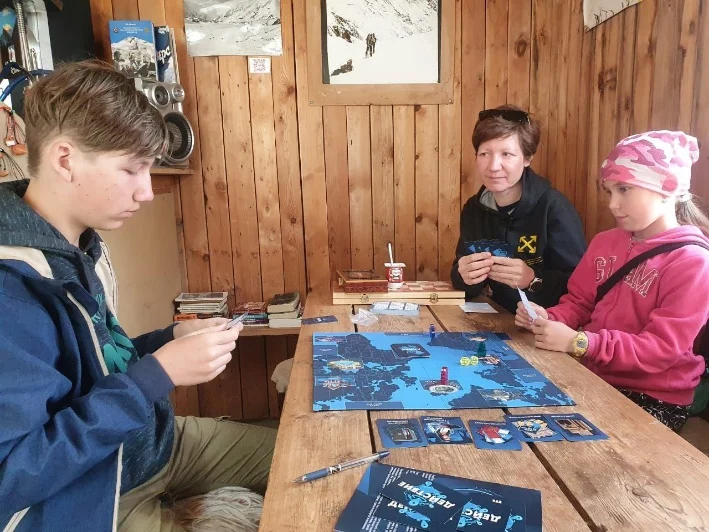
In the evenings, we'll enjoy a fascinating program: drawing lessons, movies, sports and board games, interaction with mountaineering stars (from near and far), and the opportunity to test and improve your English.
Important to know
Does a child need mountaineering or hiking experience?
No. The program does not require any mountaineering experience and is not intended as athletic training. All elements of familiarization with mountaineering and mountain equipment are educational and introductory in nature.
How safe is it for children to stay in the mountains?
Safety is the program's priority. Gradual acclimatization, pre-planned routes, and constant supervision by instructors are utilized. Technically challenging or extreme sections are not included in the program.
How is the well-being of participants monitored?
During the program, regular monitoring of the condition is carried out: monitoring of well-being, medical checks (pulse, blood pressure, saturation), adjustment of loads if necessary.
What heights is the program at?
The base camp is located at approximately 3,600 m. The program includes gradual ascents to higher altitudes. High-altitude walks and additional activities Climbing is carried out only according to the participants’ well-being and desire.
Is climbing to the peaks necessary?
No. Climbing is not a mandatory element of the program.. High-altitude excursions are for informational purposes only and are only possible if the participant is in good health and prepared.
Where do the children live during the program?
Combined accommodation:
- hotel in Osh (at the beginning of the program);
- tents in camps;
- one night in a yurt.
All accommodation formats are provided for by the program and organized in advance.
Who accompanies the children?
The group is accompanied instructors with experience in the mountains and with teenage groups. They are responsible for route organization, safety, and adherence to the program.
Is there contact with the child during the program?
Communication is not always possible due to the mountainous terrain and remoteness of the area. Instructors keep parents informed about the program's progress via an agreed-upon communication channel.
What level of physical fitness is required?
A moderate level of physical fitness is sufficient. The program does not involve competitions or standards, but requires a willingness to hike and live in the field.
What to do if a child feels unwell?
If a participant's condition worsens, the load is reduced or stopped, and a descent to a lower altitude is possible. Decisions are made by instructors, taking into account the participant's condition.
Is there strict discipline and rules?
Yes. Participants are required to follow safety rules, the daily routine, and the instructors' instructions. This is a mandatory requirement for participation in the program.
What skills does a child acquire by the end of the program?
Participants receive:
- first experience of staying in the highlands;
- basic camping skills;
- understanding acclimatization and safety;
- experience of teamwork and independence.
Can parents be present and live with the child?
Yes, parents can be present during the entire program, but there is a separate fee for each adult.
Tour conditions
Tour starting point
Osh city
Duration
10 days / 9 nights
Included in the price
- Group support by instructors throughout the entire program;
- Organization and implementation of the program according to the stated route and schedule;
- Transfers on the route Osh - MAL "Pamir" - Osh;
- Accommodation according to the program: hotel in Osh (1 night), accommodation in tents in mountain camps and one night in a yurt.
- Meals according to the program in the mountainous part of the route;
- Use of the camp infrastructure of the International Mountaineering Camp "Pamir";
- Conducting training and practical classes (hikes, tents, basic knots, familiarization with equipment);
- Medical monitoring of the participants’ condition during the program;
- Group equipment necessary for camp life and activities;
- Certificate of participation upon completion of the program.
Paid separately
- Airfare or other travel to the city of Osh and back;
- Meals outside the program (cafes, personal purchases in Osh);
- Personal equipment and clothing of the participant;
- Medical insurance (issued by parents independently);
- Additional activities not included in the program (optional);
- Personal expenses, souvenirs and pocket money;
- Costs associated with early termination of the program at the initiative of the participant or parents.
Additional information
- Prepayment 50%
Activities and training in the program
The program is designed to gradually introduce participants to life and movement in the mountains, without overexertion or technically challenging elements. All activities are aimed at developing the basic skills necessary for safe travel in high-altitude environments.
During the program, teenagers participate in:
- mountain hikes and radial excursions with controlled elevation gain;
- setting up tents and organizing camp life;
- training in basic tourist and mountaineering knots;
- familiarization with personal and group equipment;
- the first practices of moving on rocky and icy terrain under the supervision of instructors.
Particular attention is paid to understanding acclimatization processes, self-monitoring, and group work. The program helps develop independence, responsibility, and decision-making skills in natural conditions without turning training into athletic or competitive training.
Security and support

The program includes a gradual acclimatization regimen, avoiding sudden elevation gains. Participants' condition is regularly monitored, including medical checkups, well-being monitoring, and adaptation of the exercise load if necessary.
The routes and camps are pre-planned, using proven trails and campsites. The program does not involve technically challenging climbs or extreme terrain, and all elements of mountaineering introduction are educational and introductory. This ensures children's safe stay at high altitudes.
Where does the program take place?
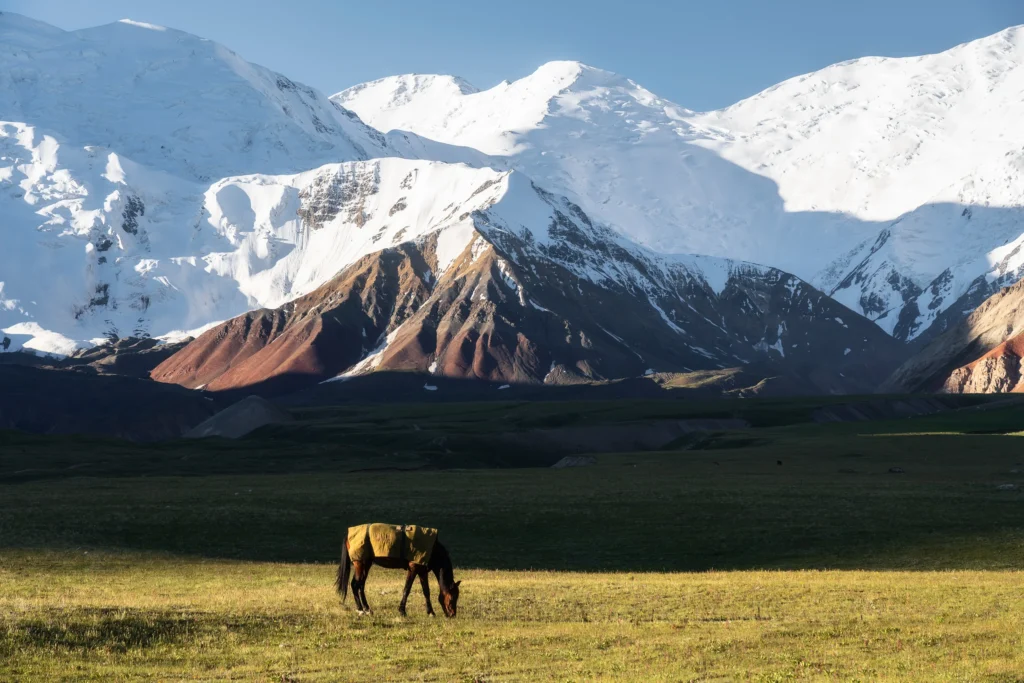
The program takes place in the high-mountain region of the Pamirs, in the Achik-Tash tract, home to the Pamir International Mountaineering Camp. The base camp is located at an altitude of approximately 3,600 meters, allowing for a smooth and controlled acclimatization for the teenagers.
The Achik-Tash region boasts open terrain, wide valleys, and convenient routes for radial hikes and transitions between camps. This makes the terrain ideal for first-time mountaineering programs: participants experience true high-altitude conditions without the technical challenges.
The choice of the Pamirs for the children's program was driven by a combination of safe logistics, developed camp infrastructure, and the opportunity for gradual elevation gain, which is especially important when working with teenagers.